


The Role of Machiya Houses in Preserving Japan's Cultural Heritage
Machiya houses, with their distinctive architectural features and rich historical significance, play a crucial role in safeguarding Japan's cultural heritage. These traditional townhouses, deeply rooted in Japanese history, offer a glimpse into the country's past and continue to shape its urban landscape today.
Originating in the medieval period, Machiya houses served as multifunctional spaces for both living and working. Their compact yet efficient design catered to the needs of merchants, artisans, and craftsmen, reflecting the bustling urban life of old Japan.
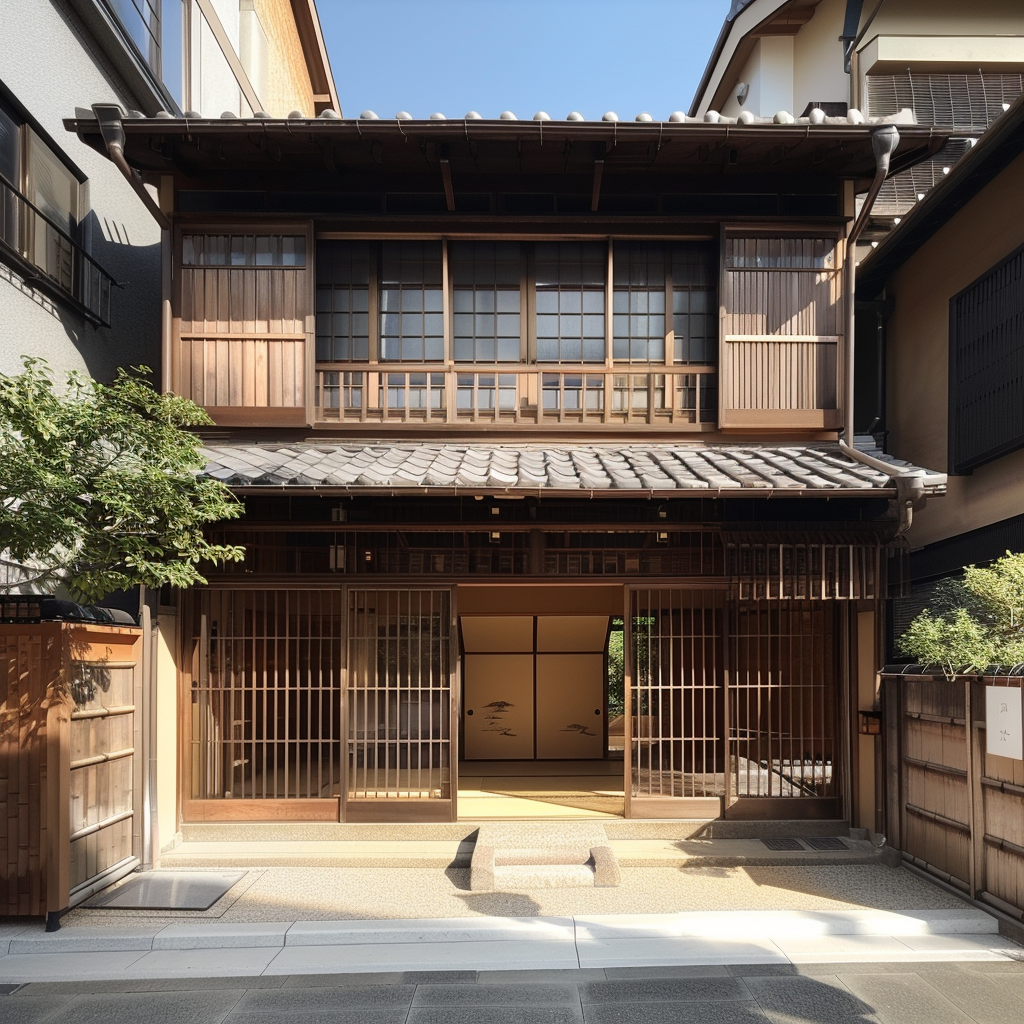
Nurturing Japan's Identity Through Machiya Houses
Amidst rapid urbanization and modernization, Machiyas houses stand as tangible reminders of Japan's architectural heritage. By preserving these historic structures, communities uphold traditions, craftsmanship, and narratives that contribute to Japan's collective identity.
Balancing Modern Needs with Heritage Conservation
Despite their cultural significance, Machiyas face various challenges, including neglect, deterioration, and urban redevelopment pressures. Organizations like us, Heritage Homes Japan are at the forefront of conservation efforts, advocating for the adaptive reuse and restoration of Machiya properties.

Restoring Machiya Houses for Contemporary Living
Through innovative restoration projects, Machiyas are finding new life as guesthouse properties, cafes, galleries, and cultural centers. These initiatives not only breathe new vitality into historic neighborhoods but also provide opportunities for community engagement and economic revitalization.
If you're considering restoring a Machiya property while maintaining its authenticity and charm, explore our exquisite renovation services here to learn more about how we can bring your vision to life.
Ensuring the Continued Relevance of Machiya Houses
As stewards of Japan's cultural heritage, it is essential to adopt sustainable practices in the preservation and maintenance of Machiyas. By integrating traditional craftsmanship with modern technologies and eco-friendly solutions, these historic dwellings can continue to thrive in the 21st century.
In conclusion, Machiya houses stand as guardians of Japan's cultural legacy, embodying centuries of tradition, craftsmanship, and community spirit. By recognizing their invaluable role in preserving Japan's heritage, we can ensure that these architectural treasures endure for generations to come.
If you're intrigued by the charm and history of Machiya houses and wish to explore the possibilities of owning one in Kyoto, or if you're considering renovating an existing property, we're here to help. Whether you're looking to buy, renovate, or simply learn more about Machiya properties, don't hesitate to reach out to us. Leave us a message through our contact page to discuss your options further.
Additionally, feel free to browse our available listings of Machiya properties on our properties page to find your perfect match. We look forward to assisting you in your journey to experience the beauty and heritage of Kyoto's Machiya houses.


Investing in Properties in Kyoto, Japan: A Comprehensive Guide
Kyoto, the cultural heart of Japan, offers unique opportunities for property investment. Known for its historical landmarks and traditional architecture, Kyoto attracts millions of tourists annually, making it an appealing market for investors.
Kyoto Property Investment market has shown stability and growth over the years. The demand for traditional Machiya and Kominka properties has been steadily increasing due to their cultural significance and unique aesthetic appeal.
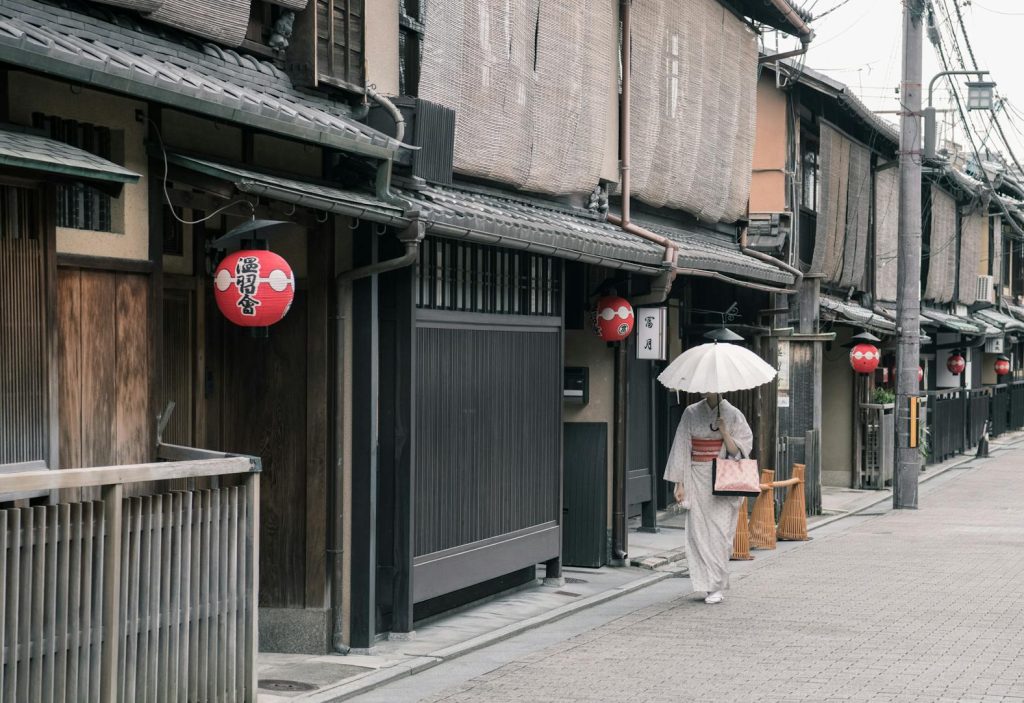
Understanding the Kyoto Real Estate Market
According to recent data, the average price per square meter for properties in central Kyoto ranges from ¥500,000 to ¥1,200,000. This wide range reflects the diverse types of properties available and their varying conditions and locations. The market has also seen a rise in short-term rental opportunities, driven by the influx of tourists looking for authentic Kyoto experiences.
Types of Properties
Investors can choose from a variety of properties, including modern apartments, traditional Machiya, and Kominka farmhouses. Modern apartments are typically found in high-rise buildings and offer convenience and modern amenities. Traditional Machiya are wooden townhouses that represent Kyoto's historical architecture and are often found in the city's central areas. Kominka are traditional Japanese farmhouses, typically located in more rural settings, offering a unique charm and larger spaces.
Kyoto Property Investment for Foreigners
Japan allows foreign individuals and corporations to purchase freehold properties without significant restrictions, making it an attractive market for international investors. However, there are restrictions on agricultural land, which foreign buyers cannot purchase. For more detailed information on the buying process and regulations, you can check out this page.

Why Kyoto is a Prime Investment Location
Cultural Appeal
Kyoto's rich cultural heritage makes it a desirable location for both tourists and long-term residents. The city's numerous temples, shrines, and traditional wooden houses create a unique atmosphere that is unmatched elsewhere in Japan. This cultural appeal ensures that properties often retain or appreciate in value, as there is a constant demand from people wanting to experience and live in a historically rich environment.
Tourism Hub
Kyoto attracts over 50 million tourists annually, making it one of Japan's top tourist destinations. This high tourist footfall boosts demand for short-term rental properties. Investing in a Machiya or Kominka can provide substantial rental income, especially if the property is located in a prime tourist area such as Gion or Higashiyama. Properties with guesthouse licenses can command higher rental rates and have higher occupancy rates year-round.
Educational Institutions
Kyoto houses prestigious institutions like Kyoto University, attracting students, researchers, and faculty members who seek rental accommodations. This steady demand from the academic community makes it an attractive market for long-term rentals, providing a stable income stream for property investors. The presence of international students also contributes to the demand for quality rental properties.

The Process of Buying Property in Kyoto
Legal Considerations
Foreign investors can purchase property in Japan without significant restrictions, except for agricultural land. It is advisable to hire a local real estate agent and a legal advisor to navigate the process smoothly. These professionals can help with understanding local laws, completing necessary paperwork, and ensuring a smooth transaction.
Required Documentation
Foreign buyers will need a few key documents to complete the purchase:
- Passport
- Certificate of Residence (Juminhyo), if residing in Japan
- Proof of funds or financial stability
- Inkan (personal seal), although a signature can sometimes suffice
Finding the Right Property
A local real estate agent can provide valuable insights into the Kyoto property investment market and help you find properties that meet your investment criteria. They can also assist with property viewings and negotiations.
Property Search Start your property search with the following resources:
- Online listings (e.g., Japan Property Central, Real Estate Japan)
- Local real estate agencies
- Property exhibitions and fairs
Considerations for Traditional Properties When looking for traditional Machiya or Kominka properties, consider:
- Property condition: Many traditional homes require significant renovation.
- Historical significance: Properties with cultural heritage status may have additional regulations.
Heritage Homes Japan can help you find authentic Machiya and guide you through the renovation process to maintain historical integrity.
Making an Offer
Price Negotiation Once you find a suitable property, your real estate agent will help you negotiate the price. It's common practice to offer 5-10% below the asking price, but this can vary based on market conditions.
Letter of Intent (LOI) Submit a Letter of Intent (LOI) to the seller, outlining your offer and any conditions. This is not legally binding but indicates your serious interest in purchasing the property.
Note: Obtaining a mortgage in Japan can be challenging for non-residents. However, some developers offer direct financing options. It is essential to have a strong financial track record and be prepared to provide detailed financial documentation. Consulting with a financial advisor who understands the Japanese market can be beneficial.
Due Diligence
Property Inspection Conduct a thorough inspection of the property to identify any potential issues. This step is crucial, especially for traditional properties that may have hidden structural problems.
Note: Engaging local real estate agents, lawyers, and financial advisors can simplify the purchasing process and ensure compliance with local regulations. These professionals can provide valuable insights into the market, help negotiate better deals, and ensure that all legal and financial aspects are properly handled.

Renovating Traditional Properties
Cost of Renovation
Renovating a Machiya or Kominka can cost around ¥300,000 per square meter, including structural work, plumbing, and modern upgrades. This cost can vary based on the property's condition and the extent of the renovations required. It's important to work with contractors who have experience with traditional Japanese architecture to maintain the property's historical integrity.
Cost Breakdown
- Structural Work: This includes reinforcing the foundation, repairing or replacing beams and columns, and ensuring the overall structural integrity of the building. Given the age of many Machiya and Kominka, structural work is often the most significant expense.
- Plumbing and Electrical Systems: Updating or installing new plumbing and electrical systems is essential, especially since older systems may not meet modern standards. This involves rewiring the house, installing new pipes, and ensuring all systems are up to code.
- Modern Upgrades: These can include installing insulation, modern kitchens, and bathrooms, as well as adding air conditioning and heating systems. While maintaining the traditional aesthetic, these upgrades are necessary to make the property comfortable for modern living.
- Interior and Exterior Finishes: Restoring the traditional tatami rooms, shoji screens, and wooden elements while also potentially updating exterior walls and roofs with traditional materials.
Typical Costs Renovating a Machiya or Kominka can cost around ¥300,000 per square meter. This cost can vary significantly based on several factors:
- Condition of the Property: Properties in better condition will require less extensive repairs, reducing overall costs. Conversely, properties that have suffered neglect or damage will need more work.
- Extent of Renovations: Simple cosmetic updates are less expensive than complete overhauls that include structural work and modern upgrades.
- Choice of Materials: Using authentic materials and traditional techniques, while crucial for maintaining historical integrity, can be more costly.
Importance of Experienced Contractors Working with contractors experienced in traditional Japanese architecture is crucial. These professionals understand the unique construction techniques and materials required to preserve the historical and cultural significance of the property. They can ensure that renovations comply with local regulations and standards for historical buildings, which is essential for maintaining the property's value and authenticity.
Additional Considerations
- Permits and Regulations: Renovating traditional properties often requires special permits to ensure that changes are in line with preservation standards. This process can be complex and time-consuming.
- Historical Significance: Properties with cultural heritage status may have additional regulations to preserve their historical integrity. It's important to consult with local authorities and experts in historical preservation.
- Long-Term Maintenance: Traditional properties require ongoing maintenance to preserve their unique features. This includes regular inspections and repairs using appropriate materials and techniques.
Regulations and Permits
Renovating traditional properties requires adherence to local regulations to preserve their historical integrity. Permits are necessary for structural changes, and it's essential to work with professionals who understand these requirements. The Kyoto City government provides guidelines and support for preserving historical properties.
- Construction Permit (Kenchiku Kisei Shinsa): Required for any structural modifications, including expansions, demolitions, or significant alterations to the building's framework.
- Cultural Property Modification Permit: If your Kyoto Property Investment is designated as a cultural asset, additional permits are required to ensure that modifications do not compromise its historical value.

Potential Returns on Investment
Rental Income
Short-term rentals, such as Airbnb, can yield high returns due to Kyoto's tourism. Properties in prime locations with proper licenses can achieve high occupancy rates and premium rental prices. Long-term rentals also offer steady income, especially in areas near universities and commercial centers where there is a consistent demand for quality housing.
Capital Appreciation
Property values in Kyoto have shown consistent appreciation, driven by demand for traditional homes and limited supply. Investing in well-located properties, particularly those that can be renovated and upgraded, offers substantial potential for capital growth. Historical data and market trends support this upward trajectory.
Examples of successful investments include properties in Gion and Higashiyama, where investors have seen significant returns through both rental income and property appreciation. Detailed case studies can provide insights into the strategies used by successful investors, such as purchasing underdeveloped properties and investing in high-quality renovations.

Challenges and Considerations
Market Risks
Potential risks include market fluctuations, high maintenance costs, and regulatory changes. It's essential to stay informed about market conditions and work with professionals who can provide up-to-date advice and support. Diversifying investments and having a clear risk management strategy can help mitigate these risks.
Cultural Sensitivity
Respecting local culture and traditions is essential when investing in and renovating properties in Kyoto. Investors should be mindful of preserving the historical and cultural aspects of properties to maintain their value and appeal. Engaging with the local community and seeking advice from cultural preservation experts can be beneficial.
In conclusion, investing in Kyoto's real estate market offers unique opportunities and potential for significant returns. By understanding the market, choosing the right location, and following the proper procedures, investors can capitalize on Kyoto's cultural and economic appeal.
If you're intrigued by the charm and history of Machiya houses and wish to explore the possibilities of owning one in Kyoto, or if you're considering renovating an existing property, we're here to help. Whether you're looking to buy, renovate, or simply learn more about Machiya properties, don't hesitate to reach out to us. Leave us a message through our contact page to discuss your options further.
Additionally, feel free to browse our available listings of Machiya properties on our properties page to find your perfect match. We look forward to assisting you in your Kyoto Property Investment journey to experience the beauty and heritage of Kyoto's Machiya houses.

Anticipating the 2024 Minka Summit: A Celebration of Tradition and Innovation
As the 2024 Minka Summit in Kyoto approaches, hosted by Kominka Japan from April 19th to April 21st, excitement builds for this immersive celebration of minka architecture.
Heritage Homes proudly sponsors the 2024 Minka Summit, reinforcing our commitment to Japanese architectural heritage. Our own Nils Wetterlind will be among the guest speakers, sharing insights.
Exciting Program Highlights
The 2024 Minka Summit offers diverse lectures, panel discussions, and workshops led by respected experts in Japanese culture and architecture. Attendees will engage in discussions on preservation and sustainability. Check out the lineup schedule on the gallery below:


Join Us at the 2024 Minka Summit in Kyoto
Tickets are now available through Peatix. Secure your spot today and be part of this immersive celebration of tradition and innovation.
After-Event Update [4/25]
As the 2024 Minka Summit concludes, we take a moment to look back on the impactful discussions and connections made during this year’s event. From informative sessions to engaging conversations, the summit provided valuable insights into Japanese architecture and culture.
We’re pleased to share some official photos from the 2024 Minka Summit in Kyoto, courtesy of Kominka Japan. These images capture the essence of the event and the vibrant atmosphere of our community coming together.


To stay updated on upcoming Kominka related events and initiatives, visit the Kominka Japan website.

Kyoto's Best Cherry Blossom Viewing Spots
Kyoto, with its rich history and beautiful landscapes, is one of the best places in Japan to experience the magic of cherry blossoms, or sakura. Every spring, locals and tourists flock to Kyoto to witness the breathtaking beauty of these delicate pink flowers.
Here’s your ultimate guide to Kyoto's cherry blossom spots, ensuring you make the most of your visit.
1. Maruyama Park (Maruyama Koen)
Maruyama Park is Kyoto’s most popular public park for cherry blossom viewing. Located in the Higashiyama District, it’s famous for its weeping cherry tree (shidarezakura), which is illuminated at night during the blooming season.
Why Visit:
- Centrally located near Gion and Yasaka Shrine
- Beautiful illuminated cherry blossoms at night
- Perfect for picnics and hanami parties

2. Philosopher’s Path (Tetsugaku no Michi)
This scenic walkway follows a canal lined with hundreds of cherry trees. It stretches for about 2 kilometers from Ginkakuji (Silver Pavilion) to Nanzenji Temple.
Why Visit:
- Peaceful and picturesque
- Ideal for a serene stroll
- Close to numerous temples and shrines

3. Kiyomizu-dera Temple
Kiyomizu-dera is one of Kyoto’s most iconic temples, offering stunning views of cherry blossoms from its wooden stage, especially during the spring illumination event.
Why Visit:
- Panoramic views of cherry blossoms
- Historical and cultural significance
- Spring illumination adds a magical touch

4. Arashiyama
Arashiyama is a district on the western outskirts of Kyoto known for its natural beauty. The Togetsukyo Bridge with cherry blossoms in the background is a must-see.
Why Visit:
- Stunning views along the Katsura River
- Combination of cherry blossoms and bamboo groves
- Relaxing boat rides available

5. Nijo Castle (Nijo-jo)
Nijo Castle, a UNESCO World Heritage Site, features beautiful gardens with a variety of cherry trees, including the weeping cherry tree.
Why Visit:
- Historical significance
- Variety of cherry blossom species
- Night illumination during peak season

6. Kyoto Botanical Gardens
The Kyoto Botanical Gardens offer a more tranquil and educational cherry blossom viewing experience with over 450 cherry trees of various species.
Why Visit:
- Extensive collection of cherry trees
- Less crowded compared to other spots
- Educational experience

7. Heian Shrine (Heian Jingu)
Heian Shrine features a large, beautiful garden with a pond and numerous cherry trees, making it a picturesque spot for cherry blossom viewing.
Why Visit:
- Beautiful garden with a large pond
- Historical and cultural backdrop
- Night illuminations during sakura season

8. Daigoji Temple
Daigoji Temple is renowned for its weeping cherry trees, and it’s a UNESCO World Heritage Site that offers a serene environment for viewing cherry blossoms.
Why Visit:
- Renowned for weeping cherry trees
- Historical site with tranquil surroundings
- Spring festival (Daigo no Hanami)

Tips for Cherry Blossom Viewing in Kyoto
- Kyoto's cherry blossom spots typically bloom from late March to mid-April. Keep an eye on sakura forecasts to catch the full bloom.
- Popular spots can get crowded. Visit early in the morning to enjoy a more peaceful experience.
- Bring a good camera to capture the beauty, and consider visiting spots with night illuminations for unique photo opportunities.
- Participate in hanami by bringing a picnic. Respect the local customs and clean up after yourself.
- Check the weather forecast and be prepared for sudden changes. An umbrella and a light jacket can be handy.
Kyoto’s cherry blossom season is a magical time that blends natural beauty with historical and cultural experiences. By visiting these top spots, you’ll be able to fully appreciate the breathtaking sakura and create unforgettable memories.
If you want to invest in or own a machiya in Kyoto, visit Heritage Homes Japan for more information on how you can be part of this enchanting city's heritage.

Higashi Machiya Renovation
Introducing HHJ’s newest acquisition, Higashi Machiya renovation. Situated 5 minutes from Gojo Station, it is a beautiful example of a pre-1945 Kyoto Machiya. The Higashi Machiya is located in Gojo, a 3-minute walk from the subway and 10 minutes from Kyoto Station. We have fully stripped the 100-year-old house. This is the first step to returning this historic building to its former glory. Our in-house design team is creating a contemporary 2-bedroom home with two atriums and a glass floor. This design blends the old Machiya with a very contemporary look. Completion is expected in December 2024.


The renovation will transform the historic Higashi Machiya into a contemporary home. The design includes modern features like atriums and a glass floor, blending seamlessly with traditional elements. Our goal is to maintain the building’s historical charm while providing modern comforts. This project showcases our commitment to preserving Kyoto’s architectural heritage. The renovation should be completed by December 2024.


We are excited to share the latest updates on the renovation progress of Higashi Machiya. Keep an eye on this section for new photos and updates as the renovation progresses.


We are excited to see this beautiful property come to life and become a new cultural landmark in Gojo.
If you want to know more about our renovation services, visit our Renovation Services page. To see more of our past projects and the transformations we’ve accomplished, check out our Projects page.
If you want your own Machiya to renovate, see our available properties in our Listings page.

The Nakamura renovation is complete!


Exterior work on the Nakamura house has been completed, ready for a beautiful Kyoto winter!
A beautiful renovation, staying true to the ethos of Kyoto shophouses. The HHJ team came together wonderfully to make this home come to life.


We are halfway through this lovely Higashiyama project, and we are so excited to see the finished product SOON.


PK Machiya in the heart of Kyoto
Mr. PK, from Hong Kong, is a man of excellent taste and many years experience of creating beautiful homes and restaurants in Hong Kong and Niseko, and now his first project in Kyoto. No expense and effort has been spared in creating a top end pied-a-terre for PK and his family and friends.
Early morning site meeting today with the construction team and the client. These meetings must take place when possible so that fine-tuning can occur and the best and most desirable design can come to life.


This week, further dismantling has taken place.


In the heart of central Kyoto, our latest HHJ Machiya renovation is underway. The careful dismantling process paves the way for a rejuvenated living space that will seamlessly marry traditional charm with modern amenities, based on the client's exact specifications. This is more than a property; it's an investment in a home that embodies the cultural essence of Kyoto.


Antique Street Renovation
This Antique Street renovation project consists a small Machiya is located in the Antique district of Higashiyama, where art galleries, antique shops and small galleries abound, blended with exclusive coffee shops and sushi bars. A careful and sensitive renovation is now almost complete, creating comfort and luxury, whilst respecting the local architecture and atmosphere.


The space, once adorned with gracefully aged tatami mats, now stands as an open canvas, ready for the infusion of traditional and contemporary design elements. Through these images, the internal demolition becomes a visual narrative—a tribute to the past, a canvas for the present, and a testament to the enduring allure of Kyoto’s Machiya.
Antique Street Renovation Progress
Further progress has been made on this perfectly located Machiya. Plumbing works and further planning and development have commenced on this historically significant Kyoto Machiya.


Final Renovation Output
After months of hard work and meticulous planning, the final touches on the Antique Street renovation are now being completed. Each room has been carefully crafted to blend traditional elements with modern design, creating a harmonious and inviting atmosphere.


If you want to know more about our renovation services, visit our Renovation Services page. To see more of our past projects and the transformations we’ve accomplished, check out our Projects page.
If you want your own Machiya to renovate, see our available properties in our Listings page.